
- Blog
- Temporary Structures and Health & Safety Compliance
Temporary Structures and Health & Safety Compliance
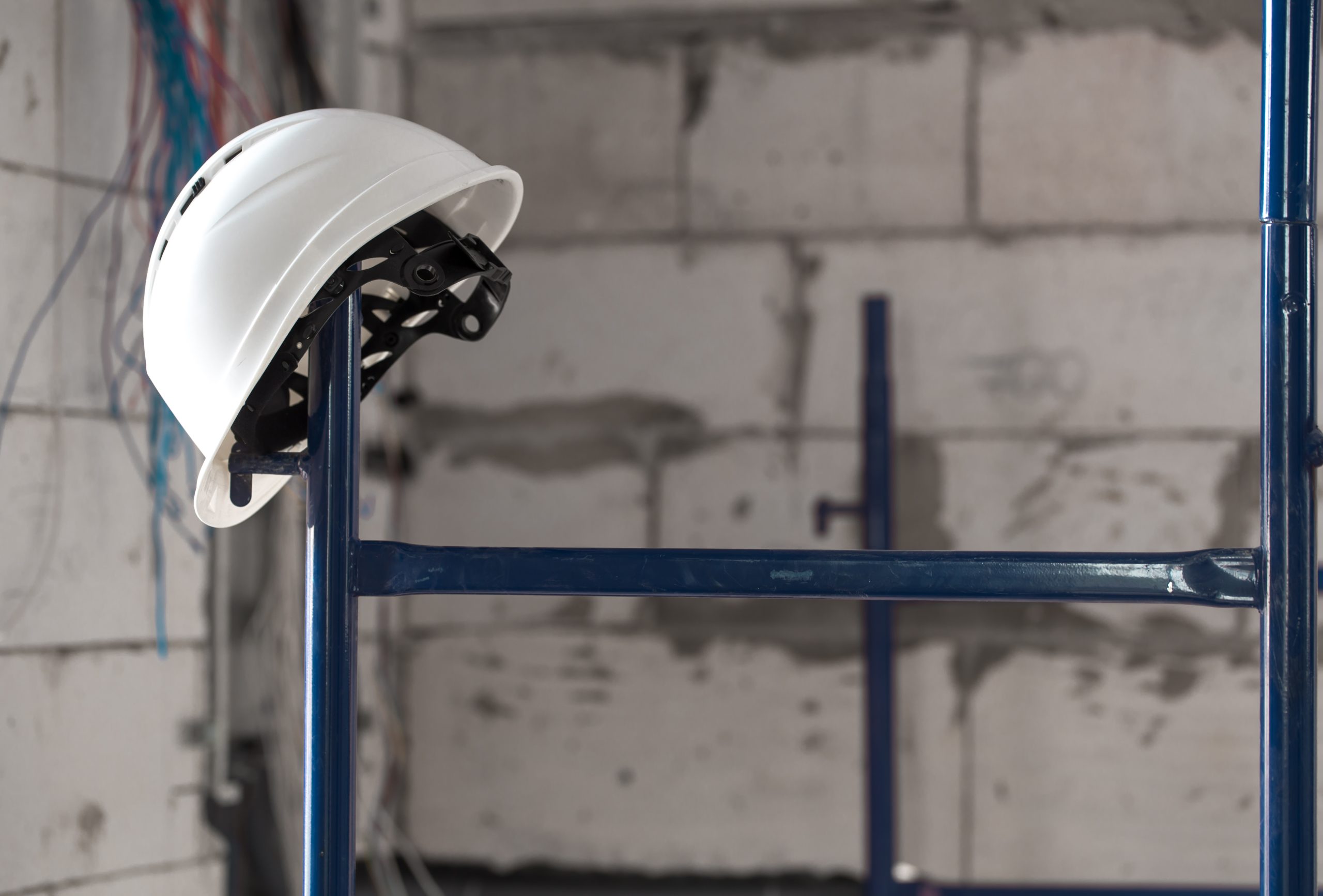
Businesses frequently require additional space within tight timeframes that traditional construction cannot accommodate. When operational demands exceed existing capacity, the challenge becomes finding solutions that deliver both speed and full regulatory compliance.
Business demands shift faster than traditional construction timelines allow. Yet the pressure to move quickly cannot override health and safety obligations. Every structure that houses workers, stores materials, or accommodates business activities must meet stringent safety standards, regardless of whether it is labelled ‘temporary’, ‘semi-permanent’, or ‘permanent’.
The challenge lies in finding temporary and semi-permanenet building solutions that deliver both speed and compliance without compromise on either front.
The Regulatory Reality
Any structure intended for use by people or housing business operations falls under a comprehensive framework of building regulations, health and safety legislation, and industry standards. The Building Regulations 2010 establish functional requirements for structural integrity, fire safety, ventilation, and other essential aspects. The Health and Safety at Work Act 1974 places duties on employers to provide safe working environments.
For modular and temporary buildings, the Construction (Design and Management) Regulations 2015 apply throughout design, manufacture, and installation. Fire safety requirements under the Regulatory Reform (Fire Safety) Order 2005 must be met. Depending on the building’s use, additional regulations covering areas such as storage of hazardous materials, food safety, or aviation operations may apply.
The term ‘temporary’ does not reduce these obligations. A warehouse expected to stand for five years requires the same fundamental safety standards as one intended for fifty years. Workers have the same right to a safe environment whether the walls are modular panels or traditional masonry.
This creates a particular challenge for businesses needing rapid space solutions. Speed of delivery cannot come at the expense of compliance, yet traditional construction methods make it difficult to achieve both simultaneously.
Where Standards Matter Most
Structural integrity forms the foundation of building safety. Modular structures must withstand anticipated loads, including snow, wind, and any equipment or materials they will house. Design calculations need to account for local conditions, intended use, and potential extreme weather events.
British Standards provide detailed guidance. BS EN 1090 coversthe execution of steel structures, whilst BS EN 1991 addresses actions (loads) on structures. For fabric structures and tensile roofs, guidance from bodies such as the Tensinet Design Guide ensures appropriate design approaches.
Fire safety requirements depend on the building’s use and occupancy. Means of escape, fire resistance of structural elements, compartmentation, and fire detection systems all require careful consideration. Buildings used for storage of flammable materials or housing significant numbers of people face stricter requirements than those with minimal fire loads and limited occupancy.
Foundation design often receives insufficient attention, particularly for structures perceived as temporary. Ground conditions vary enormously across the UK. What works on stable clay may prove inadequate on made ground or areas with high water tables. Foundation failures can occur gradually, with differential settlement causing structural distress that may not become apparent until significant damage has occurred.
Environmental factors also warrant consideration. Condensation in storage buildings can damage stock and create slip hazards. Inadequate ventilation in occupied spaces affects air quality and worker wellbeing. These factors should inform design rather than being addressed retrospectively when problems emerge.
The Installation Phase
Even a perfectly designed structure can become unsafe through poor installation. The transition from factory to site introduces variables that require careful management. Ground preparation must meet design assumptions. The assembly must follow the manufacturer’s specifications and sequence. Connections require proper execution and verification.
Weather conditions during installation can affect both safety and structural performance. Installing fabric roofs in high winds creates obvious hazards. Less obvious are issues like moisture ingress during assembly or inadequate curing of concrete foundations due to cold weather.
The competence of installation teams directly affects outcomes. Modular construction requires specific skills distinct from traditional building trades. Understanding how components fit together, recognising when tolerances are being exceeded, and knowing when to stop and seek guidance all depend on proper training and experience.
Site logistics also influence safety. Delivery of large modular components requires suitable access, turning space, and lifting equipment. Coordination with ongoing site operations prevents conflicts between installation activities and existing processes. Temporary works to facilitate installation – access platforms, lifting equipment, temporary propping – introduce their own health and safety considerations.
Operating Within Regulations
Once installed, buildings require ongoing management to maintain compliance. Regular inspections identify deterioration, damage, or unauthorised modifications that could compromise safety. The frequency and nature of inspections depend on the structure type, use, and environmental exposure.
Fabric structures and tensile roofs require particular attention. Material degradation from UV exposure, stress concentrations at connection points, and the condition of tensioning systems all need monitoring. Heavy snow can overload structures designed for typical conditions. Maintenance protocols should address cleaning, tension adjustment, and component replacement before failures occur.
Steel-framed structures need inspection for corrosion, connection integrity, and signs of overloading. Even galvanised or painted steelwork can corrode in coastal environments or where exposed to industrial atmospheres. Regular inspection allows protective treatments to be renewed before structural capacity is affected.
Fire safety systems require testing and maintenance according to manufacturer specifications and regulatory requirements. Fire extinguishers, detection systems, emergency lighting, and escape route signage all need scheduled attention. Businesses often focus on the structure itself whilst overlooking these essential safety systems.
Documentation requirements extend beyond the installation phase. Building owners need records of structural calculations, foundation designs, material specifications, and maintenance requirements. These documents prove essential when modifications are contemplated, insurance claims arise, or regulatory inspections occur.
When Requirements Change
Business needs evolve. A warehouse installed for general storage might later house hazardous materials. A sports hall designed for badminton might be repurposed for gymnastics with different loading requirements. Office spaces may need to accommodate increased occupancy. Each change requires an assessment of whether the existing structure remains suitable.
Modifications to the structure itself need particular care. Cutting additional doors, adding mezzanine floors, or attaching equipment to the structure can all affect structural behaviour. Without proper assessment and design, modifications can create unsafe conditions that may not become apparent until failure occurs.
Even changes to the building’s surroundings can have implications. New adjacent structures might alter wind flow patterns, increasing loads on existing buildings. Changes in ground levels or drainage can affect foundations. Good management systems flag these potential interactions before they create problems.
The flexibility of modular structures offers advantages here. Buildings can often be reconfigured, extended, or relocated more readily than traditional construction allows. However, this flexibility requires proper management. Each reconfiguration should be treated with the same rigour as the original installation, with appropriate design input and verification.
The Real Business Impact
Health and safety compliance is not merely about avoiding prosecution, though that matters. A warehouse collapse causes catastrophic business disruption beyond any regulatory penalties. Stock destruction, business interruption, loss of customer confidence, and potential personal injury claims can prove far more damaging than the structure’s original cost.
Insurance implications deserve consideration. Insurers increasingly scrutinise how temporary and modular buildings are specified, installed, and maintained. Buildings that do not meet appropriate standards may not be covered, or coverage may be subject to significant exclusions or elevated premiums. Demonstrating compliance through proper documentation and maintenance records supports insurance claims when incidents occur.
Reputational factors also come into play. A business whose building fails, particularly if workers or visitors are injured, faces scrutiny from customers, suppliers, and potential employees. In sectors where safety culture forms part of pre-qualification for contracts, building-related incidents can exclude businesses from tender opportunities.
For businesses operating under time pressure, the temptation exists to cut corners during specification or installation. The apparent savings rarely materialise. Addressing deficiencies after installation typically costs more than getting things right initially, and the disruption to operations compounds the expense.
Making Better Decisions
Businesses needing rapid space solutions face genuine challenges in balancing speed, cost, and compliance. The starting point is recognising that these are not mutually exclusive. Properly designed and manufactured modular buildings can be installed quickly whilst meeting all necessary standards, but this requires engaging with suppliers who understand both the technical requirements and the regulatory framework.
Early engagement with suppliers allows designs to be optimised for the specific application. A storage building in Scotland faces different environmental loads than one in Surrey. Facilities housing certain industrial processes need specific fire protection measures. Aircraft hangars require particular structural approaches to achieve the necessary clear spans. Generic solutions rarely prove optimal.
Understanding lead times helps businesses plan effectively. Some delays are unavoidable – foundation curing times, delivery of specialist components, and weather windows for certain activities. However, parallel activities during design and manufacture can compress overall programmes significantly compared to traditional construction.
Site preparation deserves attention before structures arrive. Adequate foundations, proper drainage, suitable access, and coordination with utilities all require advance planning. Problems in any of these areas can delay installation, sometimes for extended periods if remedial ground works prove necessary.
Quality assurance during manufacture provides confidence that structures will meet specifications. Fabrication in controlled factory conditions offers advantages over site-based construction, but only if manufacturing processes include proper verification. Documentation of material certifications, weld inspections, and assembly checks creates an audit trail demonstrating compliance.
A Different Approach to Space Solutions
The modular building sector has evolved considerably from the basic site cabins that defined early temporary structures. Modern engineered solutions deliver large clear spans, sophisticated environmental control, and aesthetic quality that makes distinguishing them from permanent buildings difficult.
This evolution means businesses can obtain spaces that genuinely meet their operational needs rather than accepting compromised solutions because they are ‘only temporary’. A warehouse that maintains proper environmental conditions protects stock effectively
regardless of construction method. A sports hall that provides appropriate ceiling height and flooring enables the same activities as a traditional building. Office spaces that offer proper lighting, acoustics, and ventilation support productivity just as effectively as permanent facilities.
The key advantage lies in delivery speed without compromising standards. Where a traditional building might require 12-18 months from initial design to occupation, a modular solution can often be operational in 8-12 weeks. This speed comes from parallel activities – design, manufacture, and site preparation happening simultaneously – rather than cutting corners.
Flexibility offers another benefit. Businesses facing uncertain futures can install structures with confidence that they can be adapted if needs change. Sections can be added as operations expand. Buildings can be relocated if sites change. At the end of their useful life in one application, structures can be refurbished for another use rather than demolished.
We’ve got answers to your frequently asked questions.
Finding the Right Partner
Not all modular building suppliers operate to the same standards. The sector includes providers offering everything from basic temporary structures to sophisticated engineered buildings backed by comprehensive design services and long-term structural guarantees.
Businesses should look for suppliers who demonstrate genuine engineering capability. The ability to provide detailed structural calculations, wind loading assessments, and foundation designs indicates serious technical capability rather than simply supplying standard products.
Manufacturing quality matters enormously. Factory inspection capabilities, material traceability, weld inspection procedures, and quality management systems all indicate how seriously a supplier takes their responsibilities. Certification to relevant standards, such as ISO 9001 provides independent verification of systems.
Installation competence is equally important. Experienced installation teams who understand both the technical requirements and the practical realities of site work deliver better outcomes. They recognise when site conditions differ from expectations and know how to address issues properly rather than improvising inadequate solutions.
After-sales support distinguishes suppliers who view customer relationships as ongoing from those focused purely on initial sales. Access to maintenance advice, inspection services, and modification capabilities helps customers manage buildings effectively throughout their operational lives.
Looking Ahead with a Lauralu Temporary or Semi-Permanent Building
The demand for flexible, rapidly deployed space solutions continues to grow across multiple sectors. Logistics operations expanding to meet e-commerce growth need warehouse capacity quickly. Aviation facilities require additional hangar space as fleets expand. Sports organisations need facilities that can be operational for the upcoming seasons. Industrial businesses need storage solutions that can be deployed ahead of busy periods.
Traditional construction cannot always meet these timescales, particularly where planning constraints or funding limitations exist. Modular solutions fill this gap, but only when delivered properly. The buildings themselves must meet appropriate standards. Installation must be executed competently. Ongoing maintenance must be addressed systematically.
For businesses willing to engage with suppliers who take these obligations seriously, modular buildings offer genuine solutions that balance speed with compliance. The key is recognising that temporary does not mean substandard, and that the right approach can deliver spaces that meet operational needs whilst satisfying all necessary health and safety requirements.
Rapid deployment and full compliance are not competing objectives but achievable outcomes when the right approach is taken. That understanding makes the difference between solving a space problem and creating new ones.
Like what you see?
Let’s build something together
Get in touch
Contact us at Lauralu for more information or advice regarding temporary buildings.
We can provide you with a free fast estimate or advice on temporary buildings.