
- Blog
- Adapting to Net-Zero Goals with Temporary Industrial Buildings
Adapting to Net-Zero Goals with Temporary Industrial Buildings
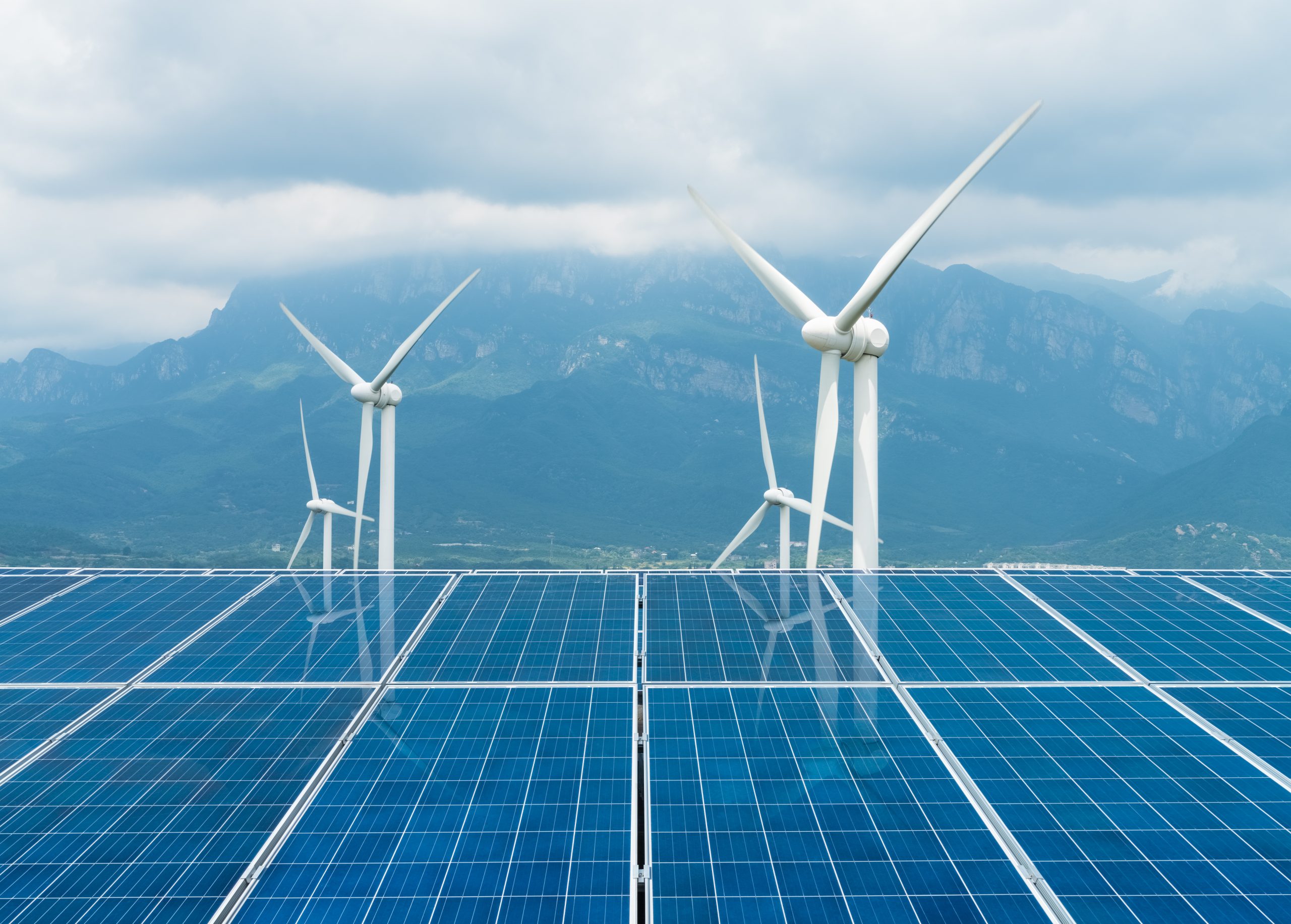
As the UK moves steadily towards legally binding net-zero targets, businesses across manufacturing, logistics, construction, and warehousing are under growing pressure to reduce emissions while maintaining operational efficiency. Government policy, planning regulations, and ESG reporting requirements are increasingly shaping how industrial space is designed, built, and used.
For many organisations, flexibility is now a strategic necessity rather than a nice-to-have. Renting a temporary or semi-permanent industrial building offers a practical route to meet operational needs while adapting to sustainability and regulatory expectations – without the long-term carbon and financial commitment of permanent construction.
Net-Zero Targets and the Changing Industrial Landscape
The UK’s commitment to net-zero emissions by 2050 has filtered down into sector-specific regulations, funding incentives, and planning frameworks. Businesses are being encouraged – and in some cases required – to demonstrate measurable reductions in energy use, embodied carbon, and environmental impact. Some of these requirements look like “zero-carbon-ready” buildings as a critical milestone for 2030.
This shift is influencing decisions around industrial infrastructure. Traditional permanent builds often involve high upfront emissions from materials such as concrete and steel, long construction programmes, and limited adaptability once completed. In contrast, temporary and semi-permanent industrial buildings are increasingly recognised as a lower-impact alternative when space requirements are uncertain or time-bound.
Importantly, net-zero compliance is no longer only about energy use during occupation. Whole-life carbon assessments are becoming more common, meaning businesses must consider how buildings are constructed, adapted, dismantled, or reused over time.
Government Regulation and Planning Pressures
Planning policy is playing a growing role in shaping industrial development. Local authorities are under pressure to limit unnecessary permanent development, particularly on greenfield land, while encouraging more efficient use of existing sites.
Temporary and relocatable structures often benefit from simpler planning pathways, shorter approval timelines, and fewer long-term land-use implications. For businesses operating in fast-changing markets – such as logistics responding to seasonal demand or manufacturers scaling production – this flexibility can significantly reduce regulatory friction.
In addition, government-backed sustainability frameworks increasingly favour solutions that minimise waste, avoid overbuilding, and allow for adaptive reuse. Temporary industrial buildings align well with these objectives by offering scalable capacity without locking businesses into infrastructure that may become inefficient or redundant.
Sustainability Beyond Energy Efficiency
While insulation and heating efficiency are important, sustainability in industrial buildings goes far beyond operational energy use. Temporary and semi-permanent structures can support net-zero goals in several less obvious but highly relevant ways.
Firstly, these buildings are designed with modularity in mind. Components can be reused, reconfigured, or relocated rather than demolished. This reduces construction waste and avoids the carbon cost of repeated new builds.
Secondly, shorter build programmes mean less disruption to surrounding environments and supply chains. Reduced groundworks and lighter foundations can also lower the environmental impact compared to traditional construction methods.
Finally, temporary structures allow businesses to match space precisely to demand. Overbuilding permanent facilities often results in underused space that still requires heating, lighting, and maintenance. By scaling capacity up or down as needed, organisations can avoid unnecessary energy consumption and emissions.
Supporting ESG Reporting and Corporate Accountability
Environmental, Social, and Governance (ESG) reporting is becoming increasingly formalised, particularly for larger organisations and those operating within regulated supply chains. Decisions around property and infrastructure now feed directly into sustainability disclosures.
Temporary industrial buildings can support ESG objectives by demonstrating responsible resource use, reduced waste, and adaptive planning. From an environmental perspective, they offer a clear narrative around minimising embodied carbon and avoiding unnecessary permanent development.
From a governance standpoint, flexible buildings help businesses manage risk. If regulations tighten further or operational needs change, organisations are not tied to fixed assets that may no longer align with policy or market conditions.
Net-Zero in Practice: Real-World Industrial Use Cases
In logistics and distribution, temporary buildings are increasingly used to support peak periods or network reconfiguration while maintaining energy-efficient operations. Insulated structures can provide compliant working environments without the emissions burden of permanent expansion.
In manufacturing, semi-permanent buildings are often used to house new production lines, pilot projects, or automation upgrades. This allows businesses to test processes and technologies before committing to long-term infrastructure, reducing both financial and environmental risk.
Construction and infrastructure projects also benefit from temporary industrial space that supports net-zero aims. On-site storage, workshops, and covered loading areas can be installed quickly and removed once projects conclude, leaving minimal environmental footprint.
Aligning Flexibility with Long-Term Net-Zero Strategy
Temporary does not mean short-sighted. When integrated into a broader net-zero strategy, flexible industrial buildings can play a long-term role in reducing emissions and supporting compliance.
Businesses that treat space as an adaptable resource – rather than a fixed asset – are better positioned to respond to evolving regulation, energy standards, and market demand. Temporary and semi-permanent structures enable this adaptability while still meeting operational, safety, and environmental requirements.
Crucially, they allow organisations to invest capital where it delivers the greatest sustainability return, such as process optimisation, renewable energy integration, or supply chain improvements, rather than tying up resources in inflexible real estate.
Rent Smarter to Support Your Net-Zero Goals
Why Renting Temporary Industrial Buildings Makes Sense for a Low-Carbon Future
Renting a temporary or semi-permanent industrial building provides a practical way to meet net-zero goals without compromising operational performance. It allows businesses to remain compliant with evolving government regulations, reduce embodied and operational carbon, and retain the flexibility needed in an uncertain economic and policy environment.
Whether you need additional space to support growth, manage seasonal demand, or adapt to regulatory change, renting a temporary industrial structure offers a lower-risk, more sustainable alternative to permanent construction – helping your business move forward while keeping net-zero commitments firmly in focus.
Get in touch with the team at Lauralu UK & Ireland to discuss the requirements your business faces.
Like what you see?
Let’s build something together
Get in touch
Contact us at Lauralu for more information or advice regarding temporary buildings.
We can provide you with a free fast estimate or advice on temporary buildings.