
- Blog
- How Building Rentals Support Business Growth During Uncertain Markets
How Building Rentals Support Business Growth During Uncertain Markets
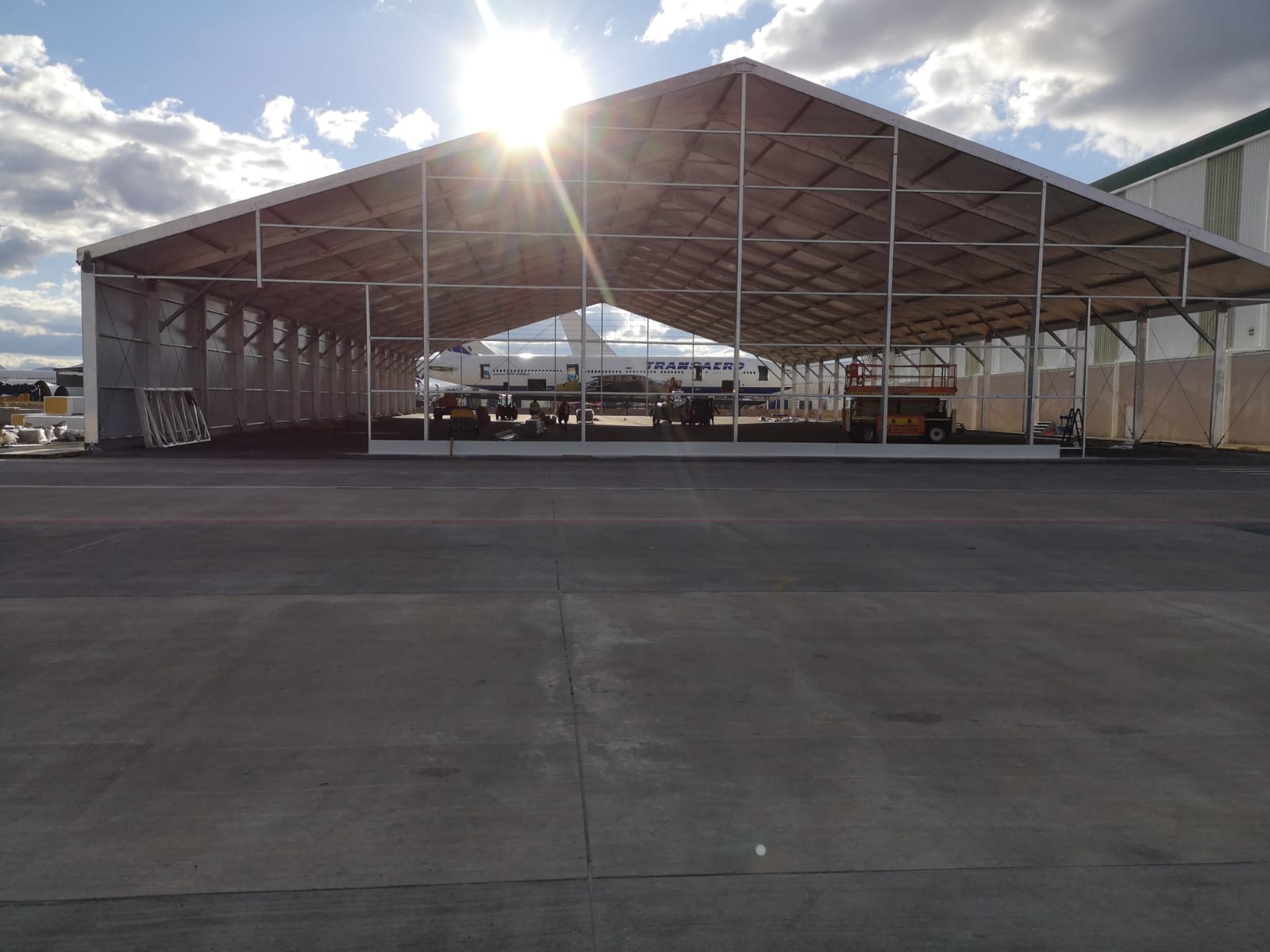
Uncertain markets have a way of exposing rigid decisions. Forecasts shorten, customer demand becomes harder to read, and leadership teams are asked to protect cash while still keeping the business moving forward. In that context, the question isn’t simply “How do we expand?” but “How do we expand without locking ourselves into the wrong footprint?”.
Renting a temporary or semi-permanent structure gives you a practical middle ground: the space you need to keep trading, fulfil orders, or onboard new work – without committing to a permanent build before the picture is clear. If you’re weighing up an expansion, a site change, or a capacity buffer, it’s worth exploring Lauralu’s temporary building hire options early, so your plan has a viable space solution built in from day one.
Space As A Growth Lever, Not A Fixed Asset
During stable periods, long-term premises decisions can feel straightforward. During uncertain periods, they become strategic. Space influences how fast you can deliver, how much inventory you can hold, how safely you can operate, and whether you can take on new contracts. But traditional construction and long leases can also create drag: long lead times, approvals, and limited ability to change direction.
Building rentals shift the conversation away from ownership and towards operational capability. Instead of asking “Do we need a new building?”, many businesses can ask “Do we need more covered capacity for the next 6, 12, or 24 months?” That framing tends to work better when demand curves are not predictable.
Keeping Options Open While Still Acting
One of the biggest risks in uncertain markets is inaction. Businesses that pause every decision can find themselves constrained when opportunities appear – new contracts, a competitor faltering, or a customer needing faster turnaround. At the same time, moving too aggressively can leave you carrying overhead you don’t need.
Renting a temporary or semi-permanent structure supports a more measured approach: act early, but keep your options open. For example, a business might add a warehousing extension to absorb short-term demand, create a covered loading or dispatch area to keep throughput consistent, or introduce additional production-adjacent space to reduce bottlenecks. If priorities change, your footprint can change too – without being tied to a permanent layout that no longer fits.
Supporting “What-If” Planning And Scenario-Based Growth
In many sectors, growth planning now looks less like a single forecast and more like scenario modelling: base case, upside case, downside case. Space should be able to move with those scenarios.
A rental structure can function as an “expansion option” that can be activated quickly if volumes rise, or kept leaner if the market softens. This is particularly relevant for businesses with:
- Contract-driven workload (where pipeline converts unevenly)
- Seasonal patterns that are becoming less predictable year to year
- Supply chain variability that requires holding more stock “just in case”
- Customer expectations around faster delivery and better availability
In practice, it means you can build a growth plan around operational readiness rather than a single bet on long-term space needs.
Faster Capacity Increases Without A Full Premises Overhaul
Uncertainty doesn’t always reduce demand – sometimes it changes where demand sits. Many organisations find that their existing sites remain viable, but certain functions outgrow the building: storage, goods-in, despatch, assembly, welfare areas, or temporary offices for project teams.
Renting can help you increase capacity without uprooting operations. Rather than relocating (with all the disruption that comes with it), you can extend usable space on-site – often in a way that fits around existing yard layouts and traffic flows. For logistics, manufacturing, construction, and other operational environments, this can be the difference between meeting service levels and slipping behind.
Suitable Across Industries And Use Cases
Because temporary and semi-permanent buildings can be configured to suit different environments, rentals are used across a wide range of sectors. Where appropriate, businesses choose features such as insulated cladding, clear-span layouts, controlled access points, or specific door configurations to match how the space will be used.
Typical applications include:
- Logistics and distribution: overflow storage, picking/packing capacity, covered loading areas
- Manufacturing and engineering: assembly zones, production overflow, parts storage
- Construction and infrastructure: on-site storage, workshops, operational hubs
- Food and beverage supply chains: additional covered storage and operational support areas
- Education and community projects: temporary covered space needs when timelines are tight
- Sports and leisure: covered activity areas and specialist structures (where relevant)
The common thread is straightforward: rented space helps organisations maintain continuity and scale without having to wait for a permanent solution to catch up.
Aligning Rental Decisions With Business Priorities
When markets are uncertain, leadership teams typically prioritise resilience, service levels, and controllable costs. A rental approach can support those priorities because it’s designed around defined timeframes and operational requirements.
It also helps reduce “premises friction” – the hidden drag that comes from trying to force a growing operation into an inflexible footprint. Extra space can improve flow, reduce handling, and protect goods and equipment. In many cases, it can also support team productivity by separating functions that are competing for the same square metres.
If you want a clearer overview of when renting tends to make sense – and how it compares to other approaches – we have a useful explainer on why renting makes sense.
Making Growth More Resilient, Not Just Bigger
Growth in an uncertain market isn’t only about expanding capacity. It’s also about protecting performance when conditions shift. Many businesses use rented buildings to create resilience in their operating model.
- Building a buffer for inventory when lead times fluctuate
- Creating space for re-work or returns processing
- Setting up a temporary operational area during site changes or refurbishment
- Supporting new product lines or pilot operations without disrupting the core site
This kind of practical resilience can be the difference between “getting through the year” and continuing to grow while competitors struggle with constraints.
Talk to Lauralu About A Rental Structure that Fits Your Next Move
If you’re planning for growth but want to avoid locking into the wrong premises decision, a temporary or semi-permanent rental structure can give you the space to act with more confidence. Explore Lauralu’s temporary building hire options.
When you’re ready to discuss requirements, site considerations, or timelines, you can contact the team directly.
Like what you see?
Let’s build something together
Get in touch
Contact us at Lauralu for more information or advice regarding temporary buildings.
We can provide you with a free fast estimate or advice on temporary buildings.