
- Blog
- Smart Warehousing: How Modular Buildings Enable e-Commerce Growth
Smart Warehousing: How Modular Buildings Enable e-Commerce Growth
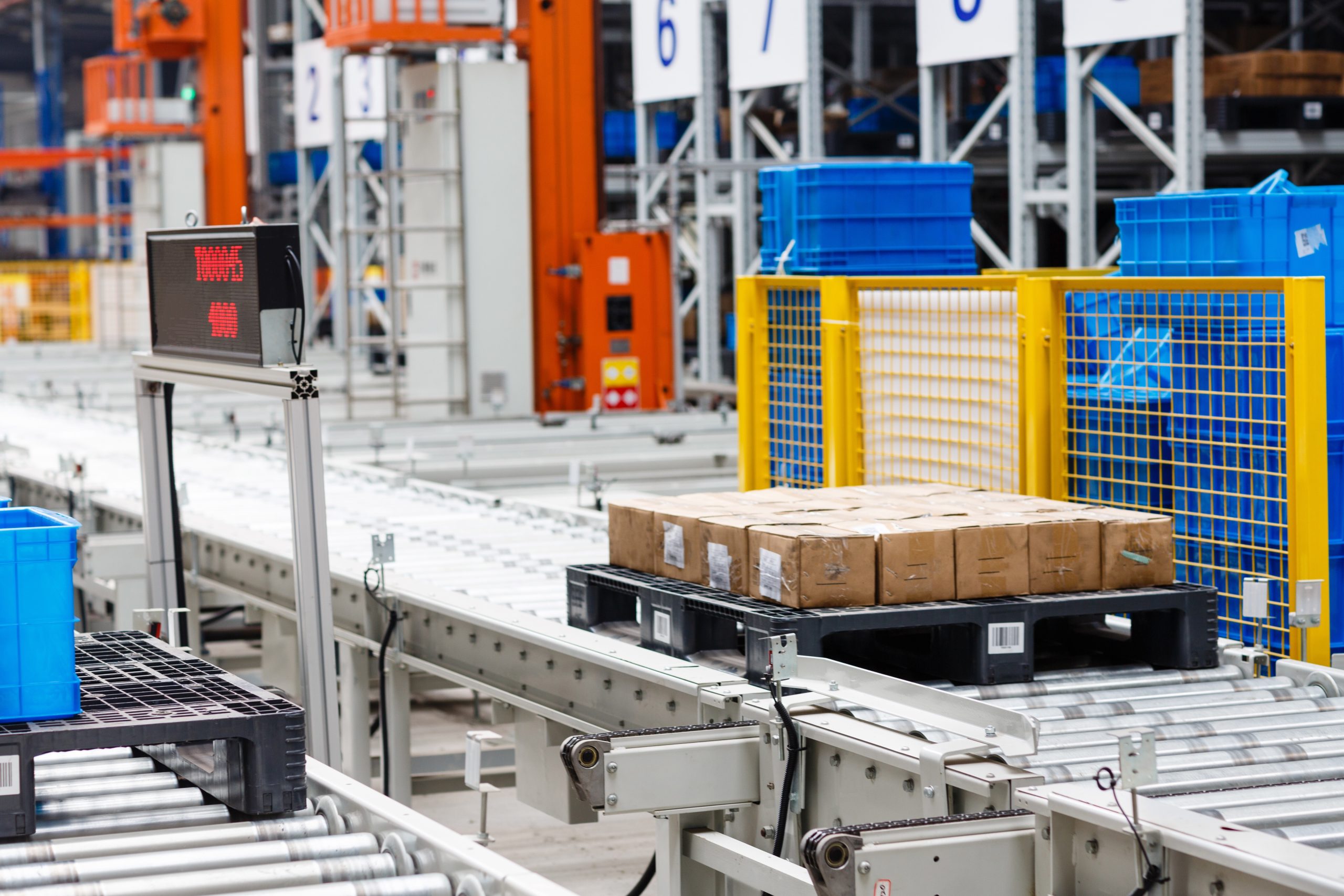
The Pressure e-Commerce Places on Traditional Warehousing
e-Commerce growth rarely follows a neat, predictable curve. Peaks driven by promotions, seasonal demand, or rapid brand expansion can put immediate strain on existing warehouse space. For many operators, the issue isn’t a lack of ambition – it’s the lack of flexibility in buildings designed for slower, more stable supply chains.
Traditional warehouses are often slow to adapt. Fixed layouts, long construction timelines, and high upfront costs make it difficult to respond when order volumes, product ranges, or fulfilment expectations change.
This gap between demand and physical capacity is where many e-commerce operations begin to feel constrained. In uncertain market conditions, this lack of flexibility becomes even more pronounced, making long-term warehousing decisions harder to justify.
Why Fulfilment Technology Needs Adaptable Space
Automation, robotics, and data-driven fulfilment systems are transforming how warehouses operate. However, these technologies are only as effective as the buildings that house them.
Automated picking systems, conveyor networks, mezzanines, and packing lines all place specific demands on space, layout, and load capacity. Retrofitting older buildings to support these requirements can be disruptive and costly, often involving compromises that limit long-term efficiency.
Warehousing environments need to evolve at the same pace as the technology inside them.
Modular Warehousing as a Response to Rapid Growth
Modular buildings offer a practical way to bridge the gap between operational demand and physical infrastructure. Instead of committing to permanent construction before growth is proven, businesses can scale space in line with real-world performance.
For e-commerce operators, this means:
- Adding fulfilment capacity without long build times
- Creating purpose-designed layouts for automation and flow
- Avoiding disruption to existing warehouse operations
Because modular structures can be expanded, adapted, or reconfigured, they support growth without forcing businesses into rigid long-term decisions too early.
Supporting Automation Without Operational Compromise
One of the key advantages of modular warehousing is how well it aligns with automated fulfilment systems. Clear spans, adaptable internal layouts, and engineered load performance allow automation to be integrated from the outset rather than retrofitted later.
This makes it easier for businesses to introduce robotics and automated picking zones, install conveyors and sortation systems efficiently, and separate inbound, storage, and outbound workflows
Rather than working around building limitations, operations can be designed around efficiency and throughput.
Responding to Seasonal and Demand-Driven Peaks
e-Commerce demand is rarely consistent throughout the year. Sales events, new product launches, and seasonal surges can quickly overwhelm fixed warehousing capacity.
Modular buildings allow businesses to respond to these peaks without permanent over-investment. Temporary or semi-permanent structures can be used to support overflow storage, additional packing space, or dedicated returns processing during high-volume periods.
When demand levels change, the space can change with it.
Managing Risk While Planning for Long-Term Growth
For many growing e-commerce brands, the challenge isn’t just space – it’s uncertainty. Forecasting demand several years ahead is difficult, particularly in fast-moving online markets.
Modular warehousing reduces this risk by allowing businesses to:
- Test new locations or fulfilment models
- Expand gradually rather than all at once
- Align capital investment with proven demand
This approach supports strategic growth without locking operations into facilities that may become restrictive over time.
Why Modular Buildings Are Becoming Central to Smart Warehousing
Smart warehousing is not defined by technology alone. It depends on buildings that support efficient movement, automation, scalability, and operational resilience.
Modular structures provide the physical flexibility that modern fulfilment strategies require.
As e-commerce continues to evolve, warehousing that can adapt quickly will become less of a competitive advantage and more of a necessity.
Lauralu is the First Choice for Flexible e-Commerce Warehousing
Lauralu designs and delivers modular buildings that support the realities of modern warehousing – from automation-ready layouts to scalable space that grows with demand. For e-commerce businesses looking to expand without operational compromise, Lauralu provides a practical, proven solution that keeps fulfilment moving as markets change.
With flexible rental options available, businesses can move forward with confidence, scaling warehousing capacity in step with demand rather than ahead of it.
Like what you see?
Let’s build something together
Get in touch
Contact us at Lauralu for more information or advice regarding temporary buildings.
We can provide you with a free fast estimate or advice on temporary buildings.