
- Blog
- Unexpected Ways Businesses Use Rented Structures
Unexpected Ways Businesses Use Rented Structures
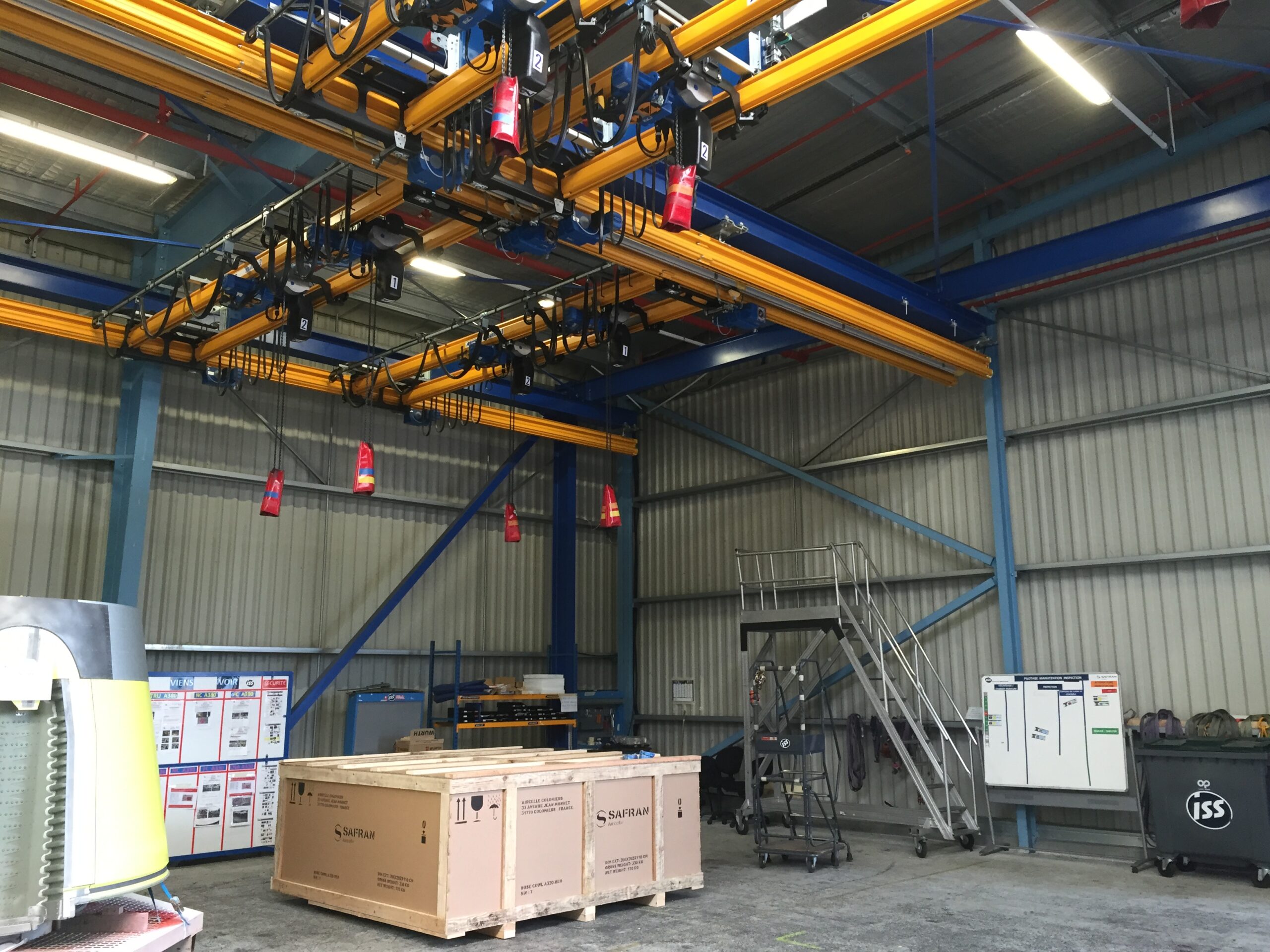
When businesses think about rented structures, the obvious use cases tend to come to mind first: additional warehouse space, temporary offices, or overflow storage. In practice, however, organisations across a wide range of sectors are finding more creative and less obvious ways to use rented buildings to solve operational challenges.
Rented structures are increasingly used as flexible tools rather than stopgap solutions. They allow businesses to respond to change, test ideas, and manage disruption without committing to permanent construction. Below are some of the more unexpected ways businesses are putting rented structures to work.
Temporary Building Rentals and Their Different Uses
Seasonal Production and Assembly Spaces
For manufacturers and distributors with seasonal demand, permanent expansion can be difficult to justify. Instead, rented structures are often used as short-term production or assembly areas during peak periods.
Examples include:
- Assembly lines added ahead of product launches
- Packaging areas for seasonal retail goods
- Temporary manufacturing zones during large contracts
These structures allow production to scale up without disrupting existing workflows or overloading core facilities. Once demand eases, the space can be removed, avoiding long-term overheads.
Quality Control and Testing Facilities
Some businesses use rented structures to separate quality control, inspection, or testing activities from main production areas. This can be particularly useful where testing requires controlled environments, additional space, or specialist equipment.
By housing these functions in a standalone structure, businesses can:
- Reduce congestion on production floors
- Improve workflow separation
- Maintain clearer audit trails for compliance
This approach is commonly seen in engineering, construction materials, and technical manufacturing environments.
Training and Onboarding Hubs
As teams grow or new processes are introduced, businesses often struggle to find space for training that does not interfere with daily operations. Rented structures provide a practical solution.
They are used for:
- Staff induction programmes
- Health and safety training
- Equipment and machinery instruction
Because these structures can be fitted out with meeting rooms, demonstration areas, and welfare facilities, they offer a focused environment that supports learning without disrupting operational areas.
Temporary Showrooms and Demonstration Spaces
Businesses launching new products or expanding into new markets sometimes use rented structures as temporary showrooms. This is particularly common in sectors where products are large, technical, or require demonstration.
Typical uses include:
- Construction and industrial equipment displays
- Vehicle or machinery demonstrations
- Trade customer viewing areas
This approach allows companies to test locations, gather feedback, or support short-term campaigns without committing to permanent retail or showroom space.
Disaster Recovery and Business Continuity
Rented structures play a quiet but important role in business continuity planning. When premises are damaged due to fire, flooding, or structural issues, companies need to resume operations quickly.
In these situations, rented buildings are used as:
- Temporary offices
- Replacement workshops
- Interim storage facilities
Having access to rapidly deployable space can significantly reduce downtime and help businesses meet contractual or customer obligations during recovery periods.
Controlled Environment Storage
Some products require stable conditions that existing premises cannot easily provide. Rented structures can be adapted for controlled storage, offering insulation, ventilation, and environmental control where needed.
This is particularly relevant for:
- Sensitive materials
- Temperature-dependent goods
- Products affected by moisture or dust
Rather than retrofitting older buildings, businesses often find it more practical to use a purpose-configured rented structure.
Project-Specific Collaboration Spaces
Large projects often bring together multiple teams, suppliers, or contractors. Instead of spreading people across different locations, businesses use rented structures as dedicated project hubs.
These spaces are used for:
- Cross-team coordination
- Project management offices
- Temporary meeting and planning rooms
Keeping project teams together in a standalone environment can improve communication and reduce disruption to the main business site.
Overflow Space During Refurbishments
Office refurbishments and site upgrades rarely happen without disruption. Rented structures are frequently used to maintain continuity while permanent buildings are updated.
Common uses include:
- Temporary staff offices
- Breakout and welfare areas
- Relocated departments during phased works
This allows refurbishment projects to progress without forcing staff off-site or slowing operations.
Supporting Compliance and Regulation Changes
Changes in regulation can require businesses to introduce new processes or physical separation between activities. Rather than immediately investing in permanent buildings, many organisations use rented structures to trial compliance solutions.
This might involve:
- Separate waste handling areas
- New inspection or documentation zones
- Additional welfare or safety facilities
Using rented space gives businesses time to assess long-term requirements before committing to structural changes.
Testing New Business Models or Locations
Rented structures are also used to test new ideas. Businesses entering new markets or trialling services can do so without the risk associated with permanent builds.
Examples include:
- Temporary logistics hubs
- Regional service centres
- Short-term operational bases
If the model proves successful, businesses can scale or relocate with greater confidence.
Why These Uses Are Becoming More Common
The increasing range of applications reflects how businesses now value flexibility. Rented structures are no longer seen purely as temporary fixes but as strategic assets that support change, growth, and resilience.
Their appeal lies in:
- Speed of deployment
- Adaptability to different uses
- Reduced long-term commitment
As operational demands continue to shift, it is likely that businesses will find even more inventive ways to integrate rented structures into their planning.
Considering Rented Structures for Your Business Operations
For businesses facing short-term pressures or longer-term uncertainty, rented structures can offer a practical way to respond without locking into permanent change. The key is understanding how flexible space can support operations as they evolve, rather than viewing it purely as a temporary fix.
At Lauralu, rented structures are often used by businesses that need reliable, adaptable space without the complexity of traditional construction. This might involve scaling capacity during peak periods, creating separation between operational functions, or maintaining continuity while permanent facilities are upgraded. Because each structure can be configured around specific requirements, businesses are able to focus on operational needs first and make longer-term decisions later.
Approaching rented space in this way allows organisations to stay responsive while retaining control over cost, timelines, and site impact. For many, it becomes a considered part of operational planning rather than a last-minute solution.
Like what you see?
Let’s build something together
Get in touch
Contact us at Lauralu for more information or advice regarding temporary buildings.
We can provide you with a free fast estimate or advice on temporary buildings.