
- Blog
- What to Look for in a Semi-Permanent Building for Long-Term Operational Flexibility
What to Look for in a Semi-Permanent Building for Long-Term Operational Flexibility
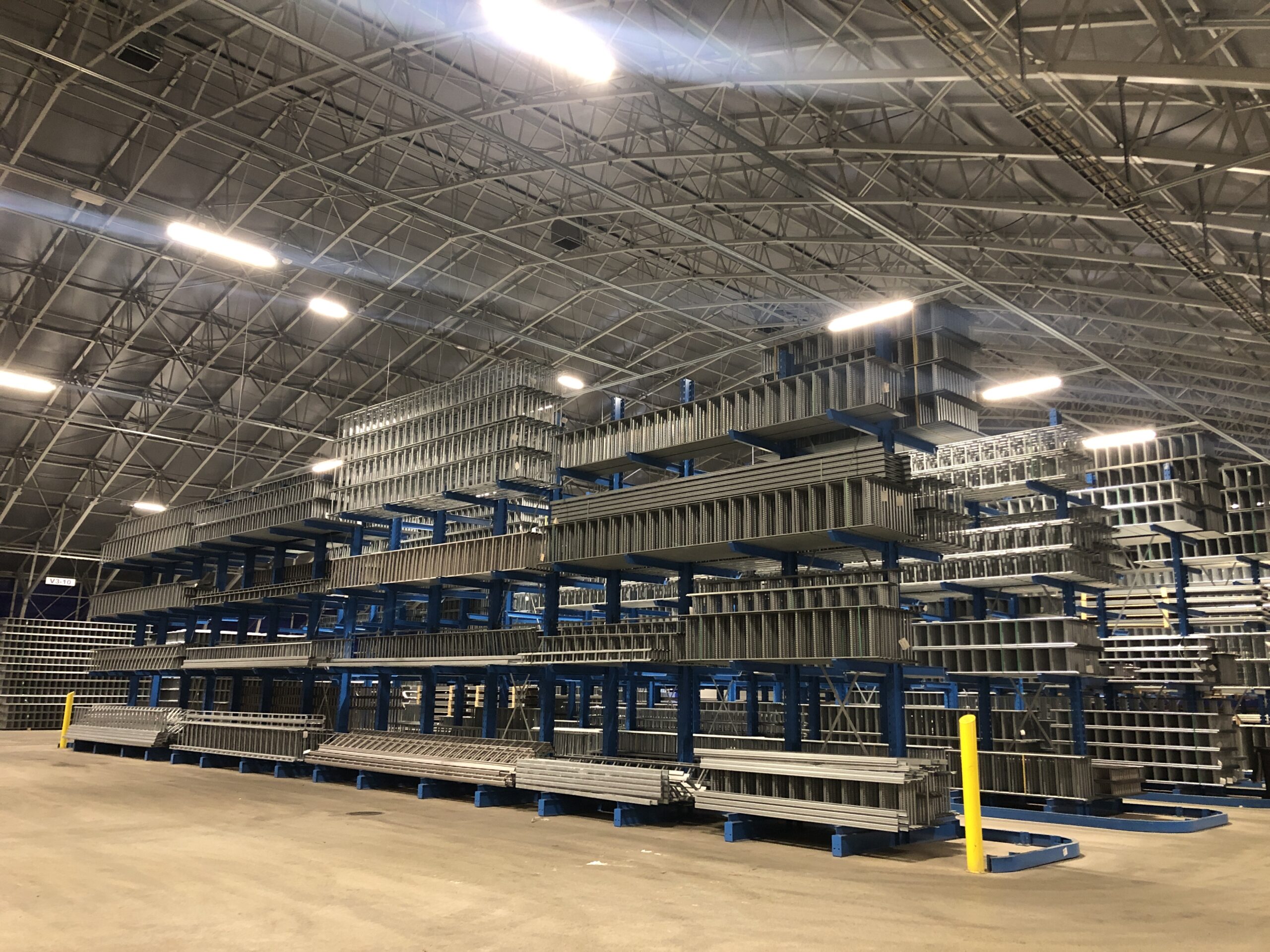
When forward-planning industrial, logistics, or retail operations across the UK and Ireland, the term “semi-permanent” can occasionally be misunderstood. It does not imply a compromise on structural integrity. Rather, it represents an investment in asset agility.
For a scaling enterprise, long-term operational flexibility means ensuring that the capital allocated to space today can adapt to the market shifts of tomorrow. Moving past standard technical specifications like insulation and dimensions, certain core strategic design philosophies must be evaluated to ensure a semi-permanent building serves as a true multi-decade asset.
What Makes a Semi-Permanent Structure a Long-Term Business Asset?
Demountability and Future Asset Portability
True operational flexibility relies on structural freedom. When assessing a semi-permanent building, it is vital to look at how the frame is put together and anchored.
- Foundation Footprint: Traditional builds anchor your business to one specific patch of land through deep concrete foundations. A high-quality semi-permanent structure should be engineered to anchor directly onto existing hardstanding, such as tarmac or concrete yards.
- The Relocation Factor: If an industrial lease expires, or if a manufacturing layout needs to change, can the building change with it? The frame should be entirely demountable. This allows the asset to be dismantled, relocated, and re-erected across your site – or at an entirely new facility – with zero structural degradation and zero material sent to landfill.
Longitudinal Modular Scalability
A building that perfectly matches your operations today may become a bottleneck within three years. To protect against this, look closely at the scalability of the longitudinal profiling.
Consider your existing building length + modular bays added = your expanded capacity
Instead of treating the building as a fixed, rigid box, choose systems based on an expandable bay network (typically constructed in 5-metre increments). This ensures that if production lines expand or inventory volume spikes, the building’s length can be extended outwards without interrupting the existing internal footprint. Conversely, if operations contract, the building can be shortened, allowing you to reclaim valuable yard space.
Clear-Span Internal Design for Variable Layouts
Internal upright support pillars are the enemy of operational flexibility. A warehouse configured with central pillars might suit standard racking today, but it completely disrupts the floor plan if you later need to install a continuous automated conveyor, establish a wide-aisle forklift layout, or pivot to bulk block-stacking.
Insist on a clear-span design. By leveraging advanced, high-tensile aluminium or steel portal frames, large spans can be achieved completely free of internal vertical supports. This open layout allows your floor plan to be completely reconfigured overnight as your supply chain evolves.
Multi-Tenant or Multi-Use Adaptability (Future-Proofing)
If you are leasing out the space, or if your business operates across multiple distinct sectors (such as a hybrid of B2B logistics and a consumer-facing trade counter), the building’s envelope must be versatile.
Interchangeable Walling
Evaluating structures with interchangeable walling offers the operational benefit of easily swapping solid steel cladding for glazed panels or pedestrian doorways. Over the longer term, this provides incredible value by allowing a warehouse to convert into a retail showroom or an office hub seamlessly.
Zonal Cladding Options
Look for zonal cladding options, which grant the ability to mix insulated sandwich panels with single-skin sections. This feature delivers long-term value by enabling ambient storage zones to be split from temperature-controlled production areas as your operational needs evolve.
Integrated Header Frames
Incorporating integrated header frames provides pre-engineered frame points that accept roller shutters or dock levellers retroactively. The major long-term advantage here is that it allows you to add rapid-rise doors later down the line without needing to modify the core structural frame.
Procurement Agility: Rental vs. Ownership Transitions
Operational flexibility is as much about financial strategy as it is about physical engineering. When acquiring a semi-permanent asset, look for a partner that controls their entire supply chain – from in-house manufacturing to final on-site installation. This vertical integration keeps lead times short and allows for highly adaptable contract terms.
A business should be able to navigate fluctuating market conditions by choosing how they secure their space.
- Direct Hire: Keeps capital expenditure off the balance sheet, allowing you to scale space down at the end of a project or lease term.
- Hire Purchase or Leasing: Spreads cost predictably over time while building long-term equity in a physical asset.
- Outright Purchase: Gives you a permanent asset with a long-term structural guarantee, but with the built-in benefit of being able to sell or move the building in the future.
Designing for Longevity and Growth
Ultimately, a semi-permanent building should never feel like a stopgap measure. By prioritising asset portability, clear-span interiors, and modular expansion capabilities, you ensure your facilities can pivot just as fast as your commercial strategy.
Partner with Us for Agile Space Solutions
Ready to future-proof your business operations across the UK and Ireland? Whether you are managing seasonal spikes, reconfiguring your supply chain, or expanding your footprint with long-term agility in mind, we engineer semi-permanent buildings tailored strictly to your commercial goals.
Get in touch with our team today to schedule a site consultation, discuss our flexible hire and purchase frameworks, or request a detailed quotation designed to keep your business moving forward.
Like what you see?
Let’s build something together
Get in touch
Contact us at Lauralu for more information or advice regarding temporary buildings.
We can provide you with a free fast estimate or advice on temporary buildings.