
- Blog
- Your Operations for the Year Ahead: Key Considerations for Manufacturers
Your Operations for the Year Ahead: Key Considerations for Manufacturers
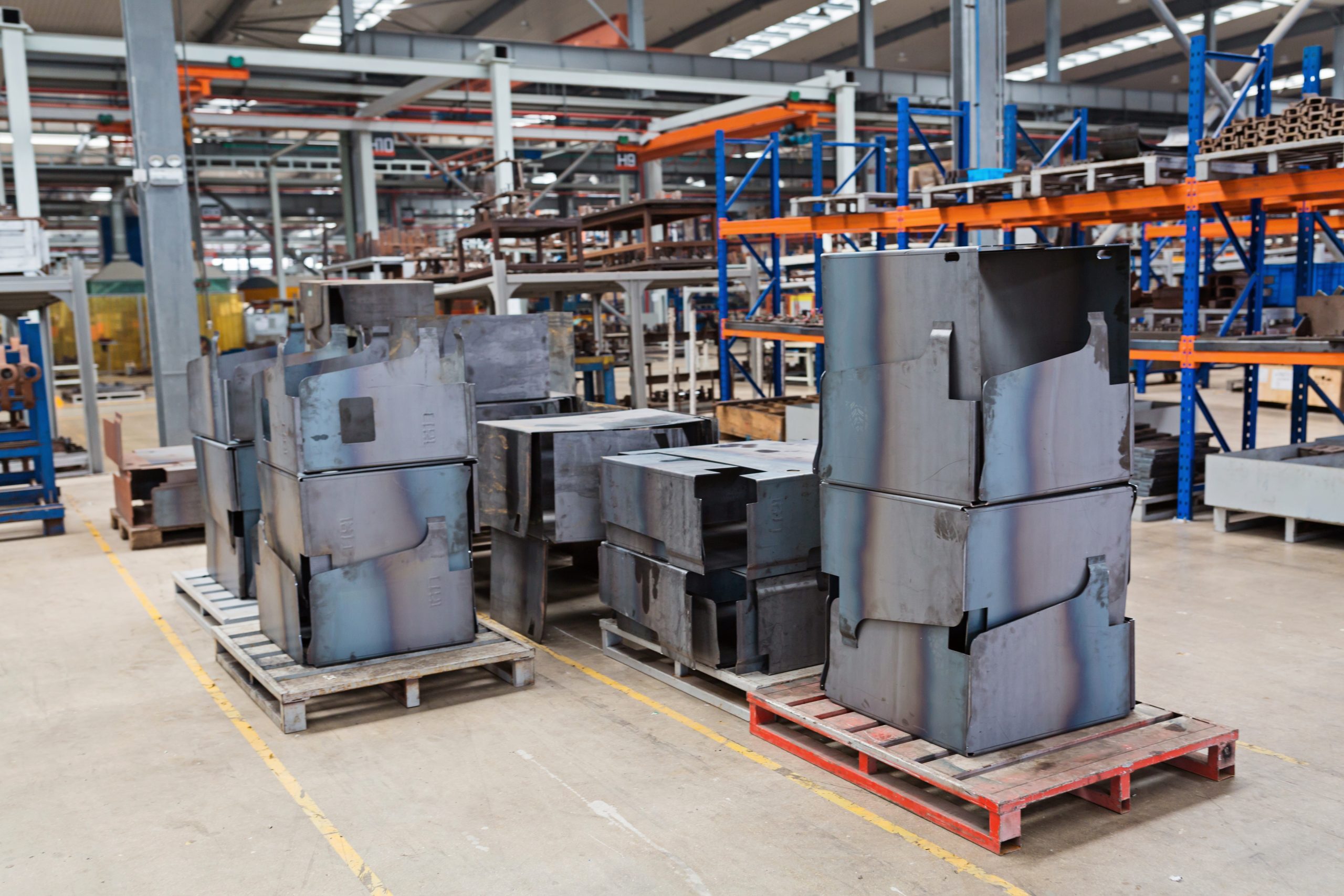
As manufacturers look ahead to the coming year, operational planning is less about long-term certainty and more about preparedness. Shifting demand, supply chain variability, workforce pressures and rising operational costs mean that the decisions made now need to balance efficiency with adaptability. Rather than focusing on one single forecast, many manufacturers are reviewing how resilient their operations are to change.
Taking time to assess space, processes and infrastructure early can help reduce disruption later in the year. Whether you are planning for steady output, anticipating growth or simply aiming to maintain consistency, a clear operational review provides a stronger foundation for decision-making. The team at Lauralu have dedicated Area Sales Managers with specialist, local knowledge to assist with choosing the right option for your business.
Reviewing Capacity Without Overcommitting
One of the first considerations for the year ahead is capacity. Many manufacturers are operating close to their limits, but committing to permanent expansion may not feel appropriate when market conditions remain uncertain. At the same time, insufficient space can restrict throughput, slow production, and create pressure points across the site.
This is where flexible capacity planning becomes valuable. Reviewing how space is currently used – production areas, storage, goods-in and goods-out – often highlights opportunities to relieve constraints without a full rebuild. Temporary or semi-permanent structures can be introduced to support specific functions, such as overflow storage or dedicated assembly zones, allowing production to continue smoothly without locking the business into long-term infrastructure decisions.
Protecting Workflow And Productivity
Operational efficiency is rarely about one single process. It is usually the result of how well different parts of the site interact. Congested layouts, competing uses for space or poorly protected external areas can all affect productivity over time.
For manufacturers planning ahead, it is worth considering whether current layouts still support how work is actually being done. As product lines evolve and order profiles change, workflows often drift away from their original design. Addressing these issues early – by reallocating space, improving segregation between activities or protecting external handling areas – can improve day-to-day efficiency without significant disruption.
Managing Supply Chain Variability
Supply chain reliability remains a key concern for many manufacturers. Lead times can change quickly, deliveries may arrive in larger or less predictable batches, and holding additional stock is sometimes necessary to maintain continuity.
This places additional pressure on storage and handling areas. For the year ahead, manufacturers should consider whether their current facilities can absorb these fluctuations without creating operational bottlenecks. Temporary warehousing or covered storage structures can provide a practical buffer, helping businesses manage variability without compromising safety or organisation on site.
Workforce Considerations And Working Conditions
A productive workforce relies on safe, practical and well-organised environments. As manufacturing sites evolve, working conditions should be reviewed alongside output targets. Overcrowded workspaces, exposure to the elements or poorly defined operational zones can all affect morale and efficiency.
Planning ahead allows manufacturers to address these issues in a measured way. Creating additional covered areas, separating pedestrian and vehicle movements, or providing dedicated spaces for specific tasks can improve both safety and productivity. These changes do not always require permanent construction and can often be implemented with minimal disruption.
Preparing For Seasonal And Cyclical Demand
Even outside traditionally seasonal sectors, manufacturing demand often follows cyclical patterns. Peaks may be driven by customer behaviour, contract renewals or downstream industries ramping up activity at certain times of year.
Looking ahead, it is useful to identify when pressure points are most likely to occur and whether current facilities are equipped to handle them. Flexible infrastructure solutions can support temporary increases in output or stock levels, reducing the risk of last-minute compromises that affect quality or delivery performance.
Infrastructure That Supports Change
Manufacturing operations rarely stand still. New machinery, revised processes or changing compliance requirements can all affect how space is used. Infrastructure decisions made today should support change rather than restrict it.
Temporary and semi-permanent buildings are increasingly used to create adaptable environments that evolve alongside operations. They allow manufacturers to test new layouts, introduce additional capacity or support project-based work without redesigning the entire site. This approach can be particularly useful when planning for gradual change rather than immediate transformation.
Aligning Operational Planning With Business Objectives
Operational decisions should ultimately support wider business goals, whether that is growth, consolidation or improved efficiency. Reviewing infrastructure, workflows and capacity in isolation can lead to short-term fixes that do not align with long-term priorities.
For the year ahead, manufacturers benefit from linking operational planning to commercial objectives. This might involve ensuring facilities can support new product lines, improving turnaround times to enhance customer service, or reducing operational friction to control costs. Flexible infrastructure options can support these goals by providing practical solutions that can be adjusted as priorities evolve.
Building Resilience Into The Year Ahead
Resilience is increasingly a defining characteristic of successful manufacturing operations. Rather than relying on fixed assumptions, resilient sites are designed to absorb change and adapt without major disruption.
By reviewing capacity, workflow, storage and working conditions now, manufacturers can identify where flexibility will be most valuable in the coming year. This proactive approach reduces reliance on reactive measures and supports steadier performance across a wide range of scenarios.
Planning Your Next Operational Step with Lauralu UK & Ireland
If you are reviewing your operations for the year ahead and considering how space and infrastructure can better support your plans, flexible building solutions may form part of that conversation. Temporary or semi-permanent structures can help manufacturers adapt capacity, protect workflows and respond to change without overcommitting.
Taking a strategic view now allows you to move into the year ahead with greater confidence, knowing your operations are prepared for both opportunity and uncertainty.
Like what you see?
Let’s build something together
Get in touch
Contact us at Lauralu for more information or advice regarding temporary buildings.
We can provide you with a free fast estimate or advice on temporary buildings.